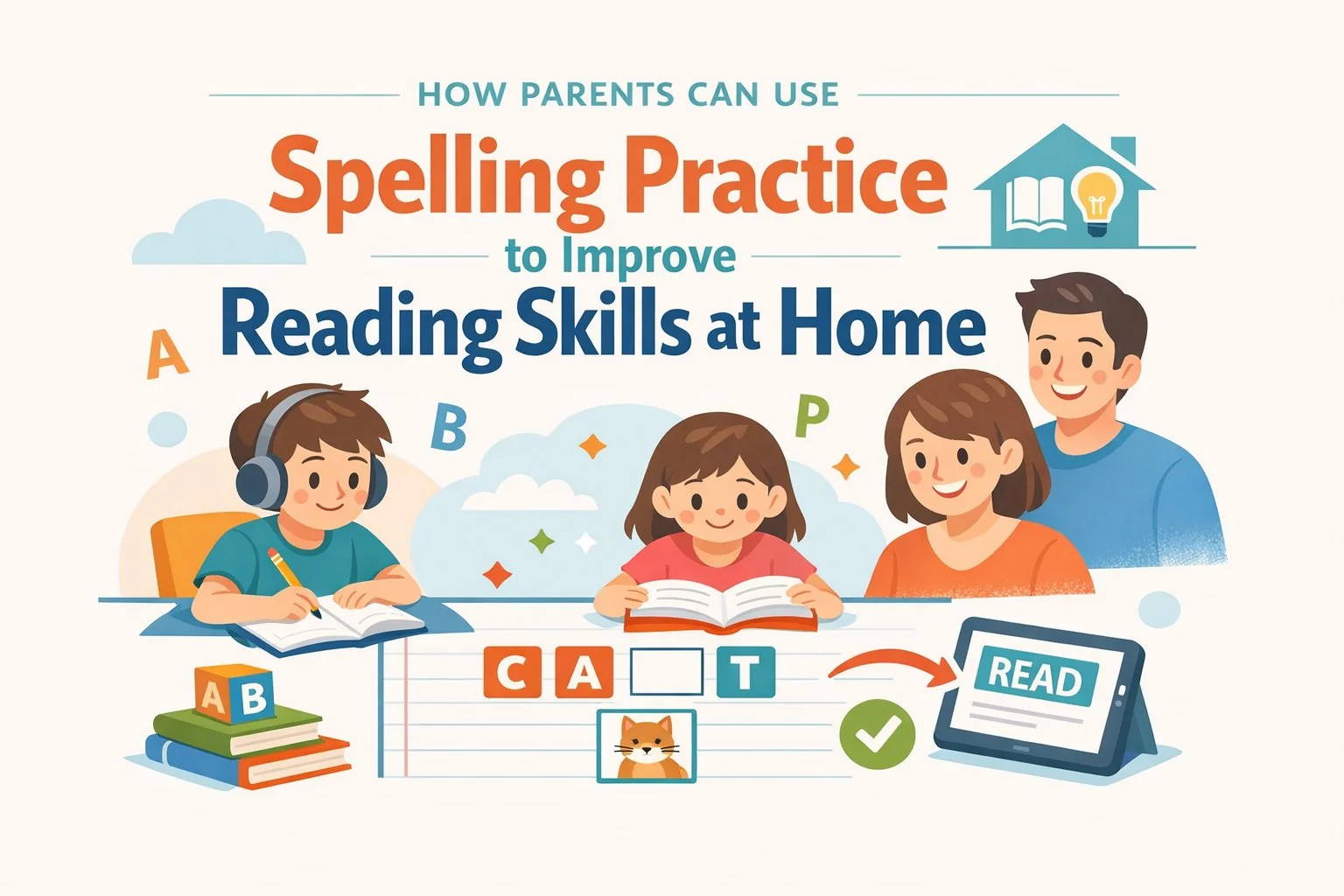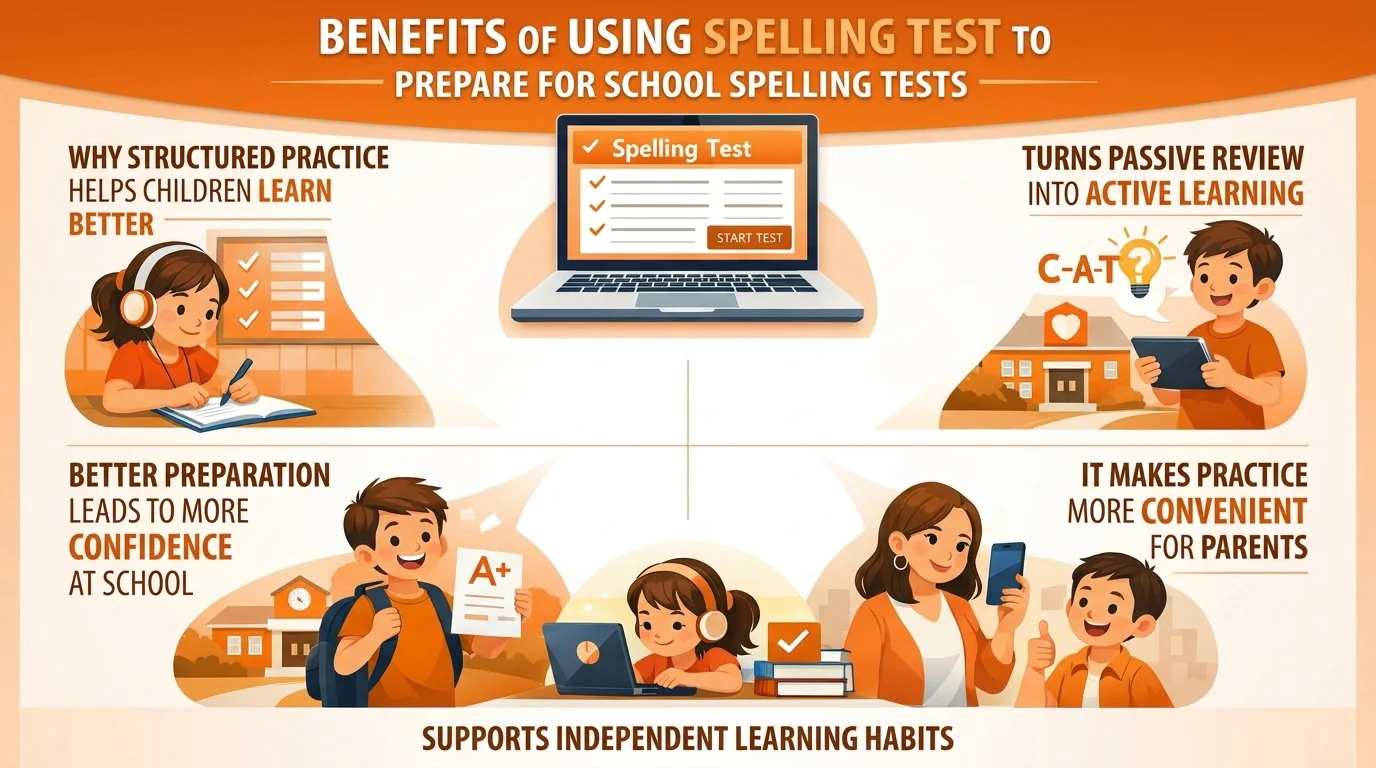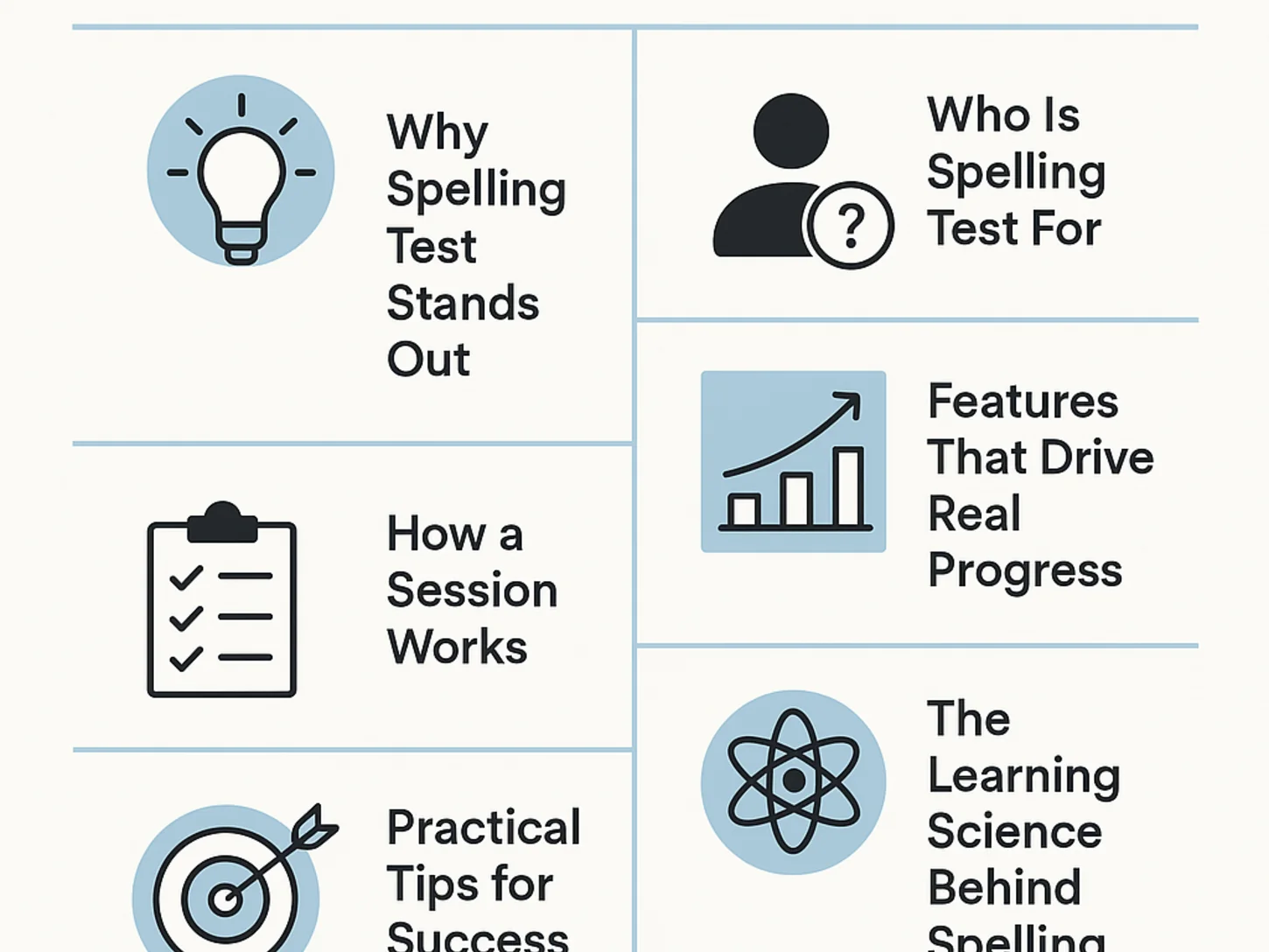
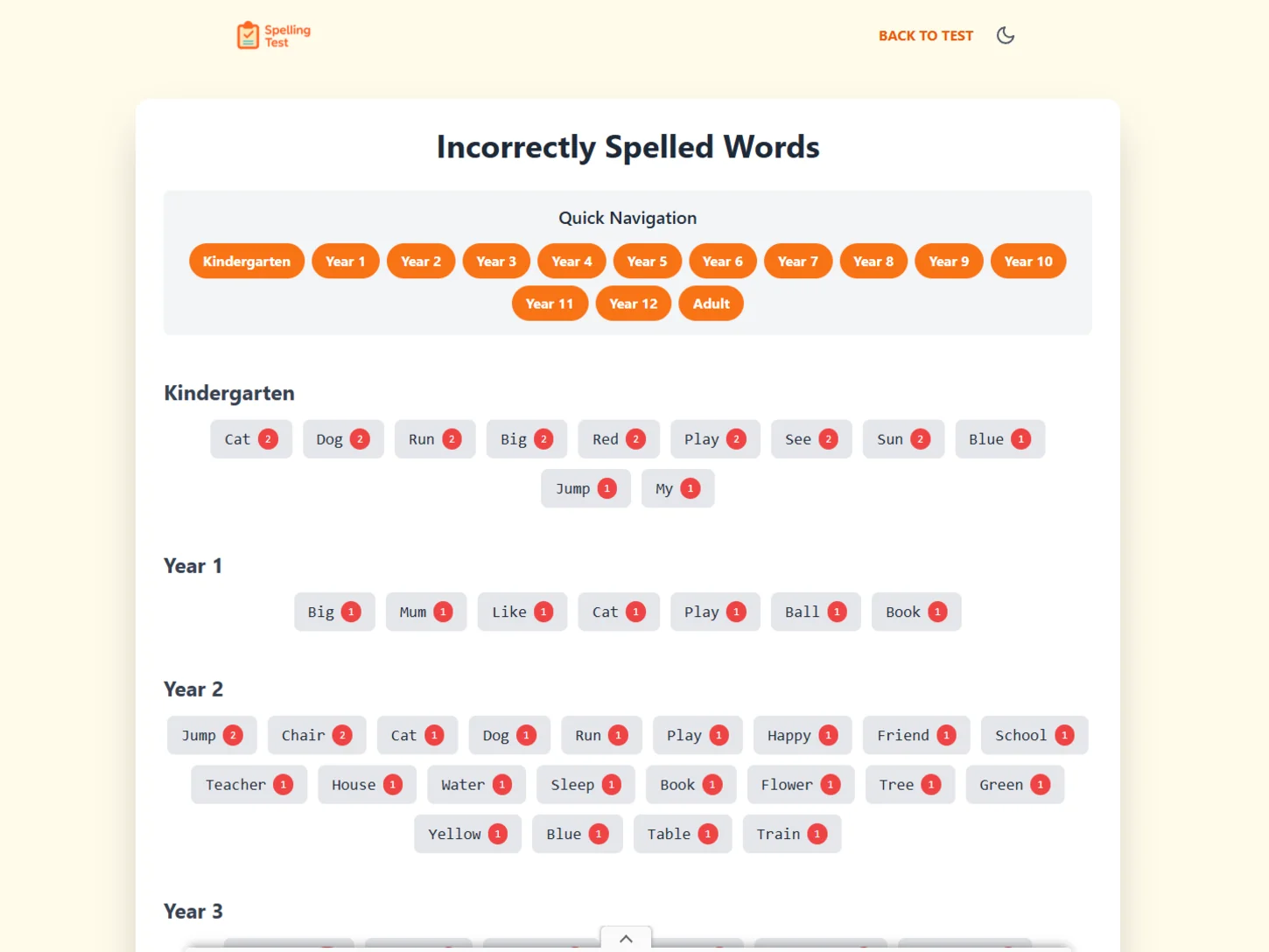
If you are helping children improve their spelling or you are an adult sharpening your own written English, one of the most useful things you can examine is a list of words that people commonly get wrong. That is exactly why the Incorrect Words analytics engine on the Spelling Test platform is so practical.
It provides a clear view of the words users struggle with across different Australian curriculum year levels (from Year 1 through to Year 6) and among adults. This makes it straightforward to spot patterns, revise weak areas, and direct attention to the words that matter most during every online spelling test session.
Why an Incorrect Words List Matters
Taking a regular spelling test measures current performance, but the true educational value arrives after the test concludes. Once a learner identifies which words they missed, they can focus directly on improvement. An aggregated list scales that idea across thousands of practice sessions completed on the Spelling Test app.
- Highlights genuinely challenging words: Words with silent letters, unfamiliar vowel teams, or doubled consonants quickly rise to the top.
- Reduces learner discouragement: Knowing that other students stumble on the exact same words proves that difficulty is a property of the word, not a personal failure.
- Directs targeted practice: Rather than guessing which words need revision, parents and teachers use real classroom data to target problem spots.
What the Incorrect Words Page Shows
The Incorrect Words page compiles words that learners have missed across school grades as well as the adult challenge. It serves:
- Parents assisting with weekly spelling homework lists.
- Teachers selecting warm-up words, spelling bees, and dictation sentences via our Schools programme.
- Students preparing for NAPLAN, Selective School tests, or exam essays.
- Adult professionals polishing workplace communication and typing accuracy.
Patterns Behind Commonly Incorrect Words
Most spelling mistakes are not random; they consistently fall into predictable linguistic categories:
- Silent letters: Words like knight, doubt, whistle, and column where phonetic spelling fails.
- Double consonants: Confusing single vs. double letters in words like embarrass, accommodate, and necessary.
- Tricky homophones: Confusing principle / principal, stationary / stationery, or affect / effect.
- Irregular vowel digraphs: Words like friend, weird, and gauge that break standard rules.
New Feature: Click a Word and Listen to Definition and Sentence Usage
One of the most valuable additions to the Incorrect Words tool is audio interactivity: users can click any word on the list to hear its audio pronunciation, clear definition, and context sentence.
Hearing words in context transforms a static list into an engaging revision experience. Auditory learners reinforce memory traces, while readers clarify whether they are confusing words with homophones or related spellings.
How Parents and Teachers Can Use This Resource
Rather than attempting to master hundreds of words at once, adopt a focused routine:
- Select 5–10 words from the list that fit your learner's current grade.
- Click to listen to the audio definition and sample sentence.
- Discuss the tricky part of the word (e.g. "notice the double 'c' and double 'm' in accommodate").
- Take a quick Spelling Test to verify recall under test conditions.
"Targeting the words people actually get wrong turns study time into high-impact revision rather than repetitive guesswork."